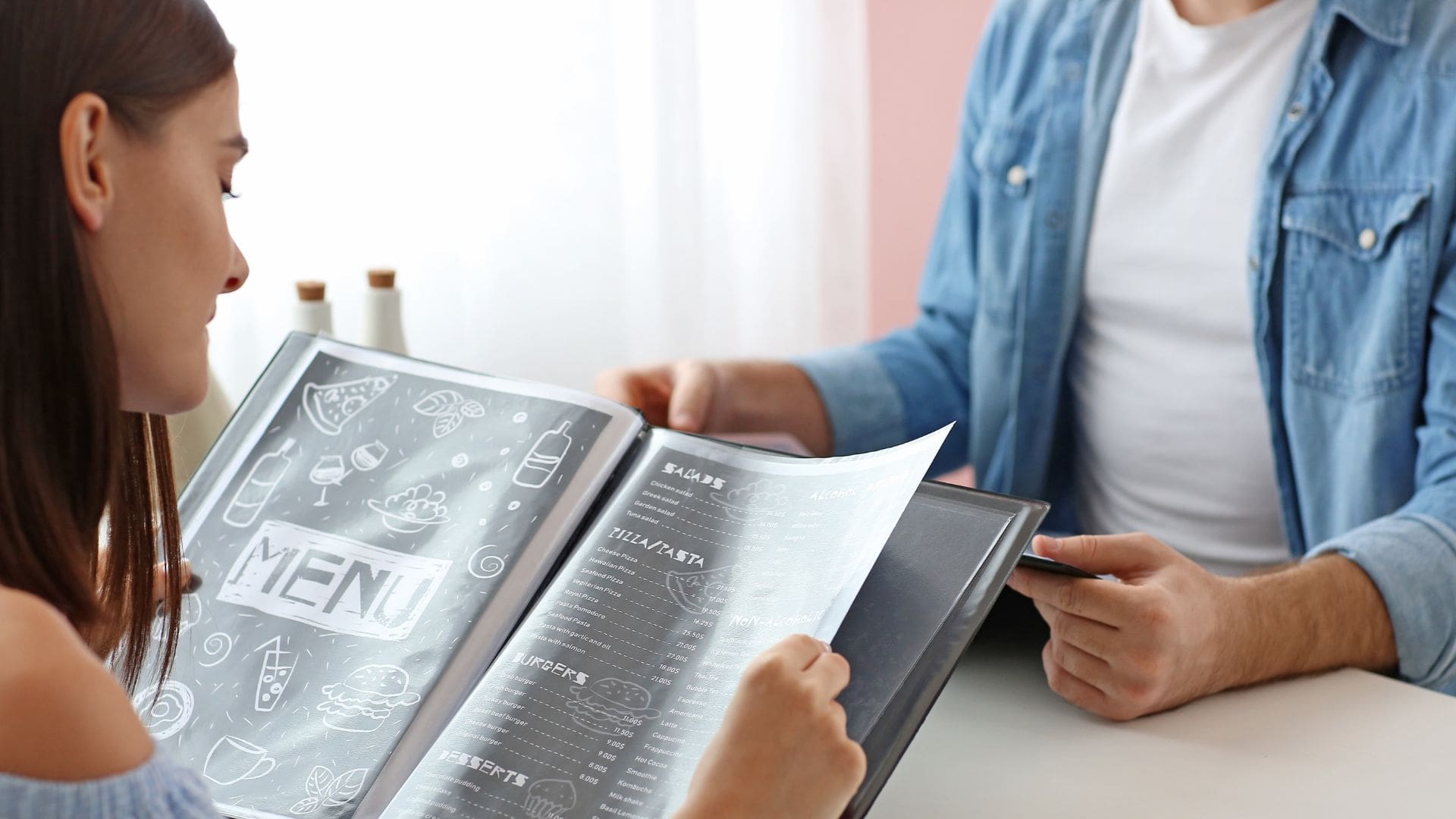
When More Options Become a Problem
Feb 25, 2026
I work with a lot of event menus.
Some are five pages. Some are thirty. Breakfast buffets, lunch platters, passed apps, carving stations, late-night snacks, desserts. Everything imaginable is in there.
On one hand, I understand it. Venues want to show range. They want clients to know they can do anything.
On the other hand, I sometimes wonder if too many options are quietly slowing things down.
When someone inquires about an event, they’re usually not trying to produce a food festival. They’re trying to answer a simple question: What should we serve and how much is this going to cost?
Instead, they open a long PDF and feel like they’ve been handed the responsibility of building the entire event themselves.
It’s well-intentioned, but it can be overwhelming.
Over time, menus grow for good reasons. Different clients request different things. New items get added. Nothing gets removed. Eventually the menu becomes a record of everything a kitchen can do, rather than what most groups actually need.
Most hosts aren’t worried about having too few options. They’re worried about choosing the wrong one. Ordering too much. Not ordering enough. Picking something that looks good on paper but doesn’t work once guests arrive.
That’s usually when the conversation stalls.
What tends to work better is guidance. A smaller set of options based on what the client has already shared. Something they can react to quickly. Something that feels like a recommendation rather than a catalog.
It doesn’t mean hiding the full menu. It just means not leading with it.
More choice sounds helpful in theory. In practice, most people are just looking for a place to start.