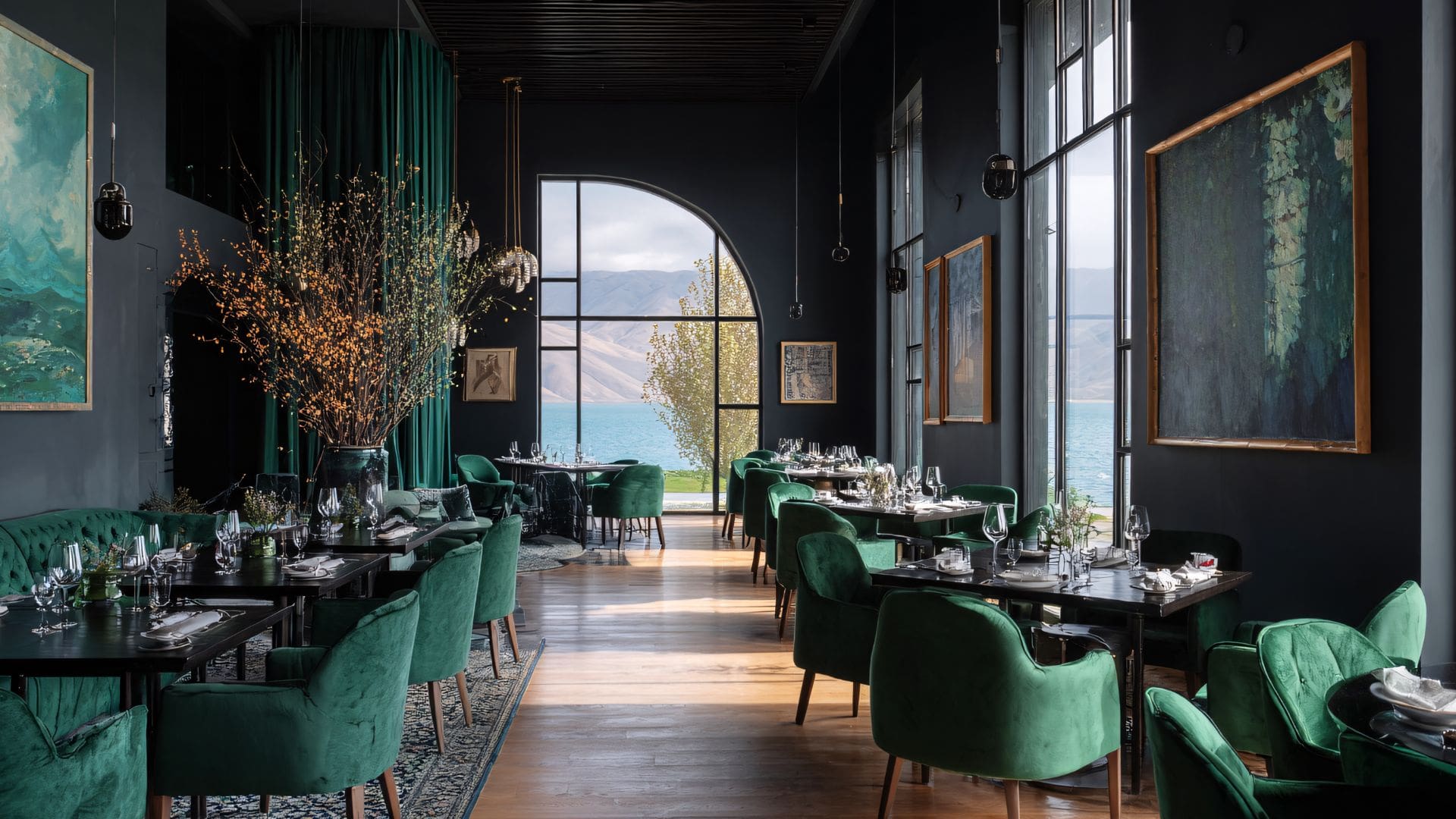
Designing Spaces in Hospitality
Jan 27, 2026
When a space is designed well, guests never have to think about where to stand or what to do next. They let go.
Attention shifts away from the room itself and toward the people in it. The experience stops feeling like something they are attending and starts becoming something they are part of.
That is why some places quietly invite people to stay, while others gently nudge them out. The effect is rarely conscious, aside from a few magical exceptions, of course.
Light, sound, aroma, temperature. The senses are always at work. Hard to quantify, easy to feel.
This is where good design becomes invisible.
Exceptional hospitality design does not demand attention. It removes friction. When it works, it almost disappears, leaving just enough structure to support comfort, flow, and connection.
And here is the important part. Those subconscious cues do not stay subconscious. We translate them into a language we recognize: taste, preference, vibe, quality. We convince ourselves we are making rational decisions when, in reality, we are responding to how a place made us feel.
That is why we instinctively know where to take a dinner date and where to go dancing afterward. One room encourages closeness and conversation. Another invites movement and release. The menu rarely explains that difference. The space does.
Food and cocktails matter, of course. But they usually arrive second. Guests experience the setting first, and the setting often becomes the lens through which they judge the product.
And why does this matter?
All of this feels especially relevant right now. We are living in a moment where efficiency, automation, and AI are shaping nearly every part of our lives. We are choosing to design faster service, tighter turns, more data, and less friction.
And yet, some of the most meaningful hospitality experiences are the ones that resist optimization.
There is a reason you can sit outside at a small Parisian café for three hours and never feel rushed. The atmosphere, the pacing, the staff, the unspoken permission to linger. That experience is not accidental. It is designed around human presence, not output.
For some reason, that same feeling is harder to find here in the US, though there are a few gems out there.
I’m curious.
What are some venues that quietly get this right?
The spaces that slow you down, encourage connection, and make you stay without ever telling you to.